San Francisco
San Francisco / Air Duct Care
Access Opening Restoration in San Francisco
An access hole or door used for inspection or cleaning needs to be left sealed and insulated.
The short answer
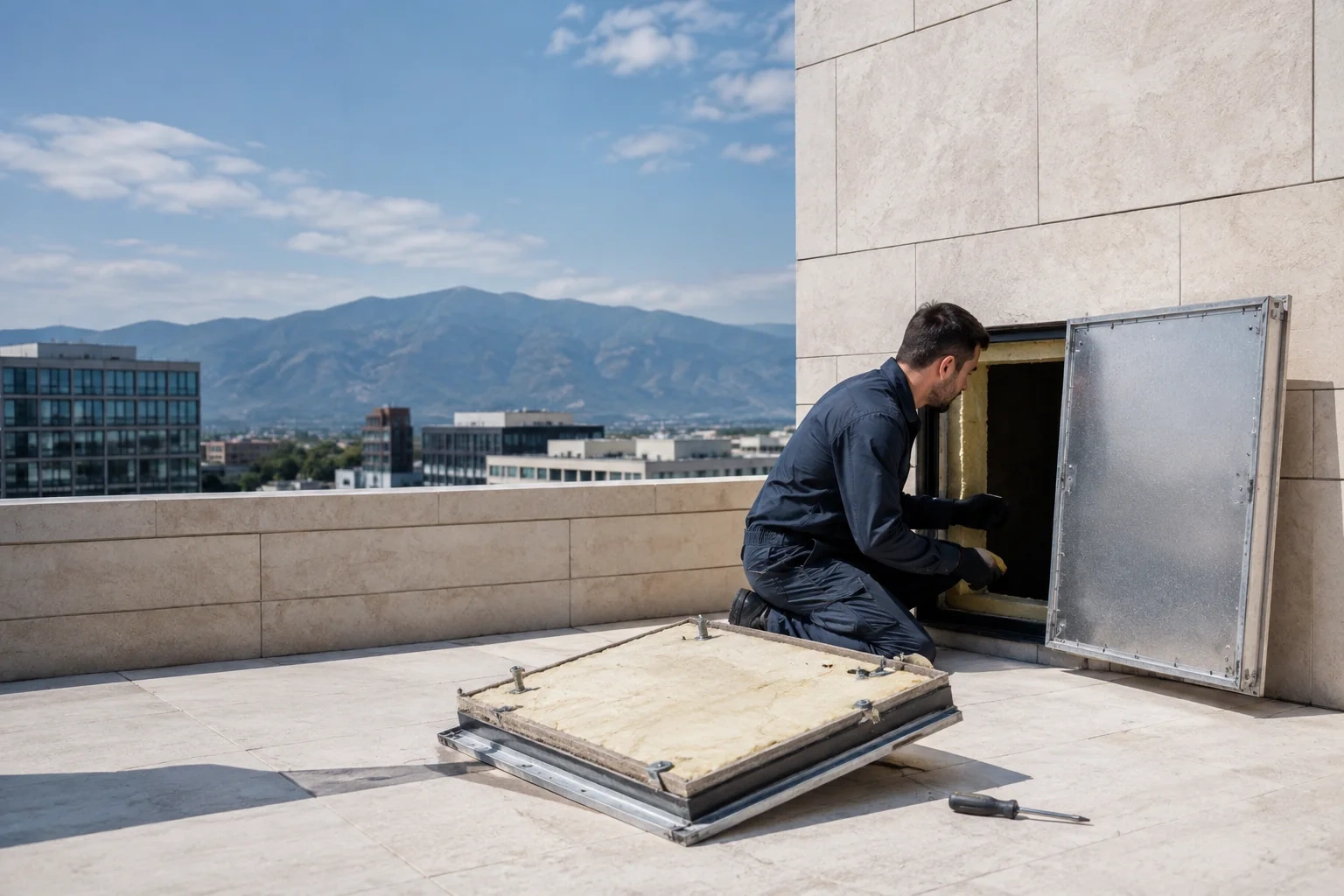
List the access openings used or proposed and who is responsible for restoring each one. Ask how the closure and insulation will suit the existing construction and how completion will be recorded. EPA includes airtight sealing and re-insulation of access openings in its consumer checklist.
The symptom
An access hole or door used for inspection or cleaning needs to be left sealed and insulated.
The proposed method
List the access openings used or proposed and who is responsible for restoring each one. Ask how the closure and insulation will suit the existing construction and how completion will be recorded. EPA includes airtight sealing and re-insulation of access openings in its consumer checklist.
Items to discuss
access door, airtight seal, insulation, fasteners. Clarify which parts or materials would be supplied, which tools would be used, and what documentation is included.
What shapes the quote?
Opening list
Identify every opening to be closed or restored and who is responsible for each one.
Closure and insulation
Specify the proposed restoration materials and any related access work.
Completion evidence
Agree how completed closures and remaining access limitations will be recorded.
Ask for a written quote and confirm the complete charge before work begins.
Property context in San Francisco
Duct cleaning is not usually construction work, but replacing, altering or reconnecting ductwork or air-handling equipment can be. The Contractors State License Board's consumer page on building permits sets out the California Building Standards Code position that work may not be erected, altered, repaired or demolished without a permit first obtained from the building official, and says code requirements vary between cities and counties. Ask which parts of the proposed scope are cleaning and which are alteration, then check with the building department for the address.
Source for planning your work ↗Where duct or HVAC work is permitted in California, independent field verification can be part of closing the permit. The California Energy Commission's Home Energy Rating System page says that depending on the work being done HERS testing may be mandatory and that properly permitted work will trigger any necessary testing, that a homeowner has the right to find and hire a rater who is independent of the contractor, and that suspected asbestos in duct insulation or sealing can exempt some tests, including duct leakage testing. Ask early whether the proposed scope is cleaning alone or work that would trigger verification.
Source for local context ↗Area-wide context is not a finding about your own property.
Useful references
EPA · when to consider duct cleaning ↗General guidance. Confirm the scope for your property.
Before you decide
Good questions.
Clearer next steps.
What does access opening restoration involve?
List the access openings used or proposed and who is responsible for restoring each one. Ask how the closure and insulation will suit the existing construction and how completion will be recorded. EPA includes airtight sealing and re-insulation of access openings in its consumer checklist.
What should the proposal say about parts, materials and equipment?
Discuss access door, airtight seal, insulation, fasteners. Ask the provider to distinguish existing parts to inspect, proposed replacements, and tools, materials or reports included in the service. Request a reason for any replacement and confirm compatibility with your equipment. A list of possible items does not mean that every item must be supplied or replaced.
Does every home need routine duct cleaning?
A concern should start with an assessment of observed conditions. Visible debris, moisture, pests or another specific issue can justify a closer look, but a cleaning schedule alone does not establish that work is needed. Ask what was found and which parts of the system the proposal addresses.
What is included in a duct-cleaning proposal?
Ask which supply and return sections, registers and accessible equipment are included, how access is obtained and how loosened debris is collected. Clarify exclusions, access limitations and any separate work on the air handler. A quote for vents alone may describe a different scope from a whole-system proposal.
Can an odor be traced to the ducts from a phone call?
An odor description helps prepare the visit but does not establish its source. Explain where and when you notice it and whether it changes with system operation. Ask how the assessment will distinguish duct conditions from other possible sources before agreeing to cleaning or treatment.
What evidence should I ask for before approving work?
Request photographs or documented observations of the relevant accessible areas and a clear explanation of the proposed scope. Ask which findings were directly observed and which areas could not be accessed. Generic sample images are not evidence of your own system’s condition.
How do I prepare for a duct-system assessment?
Identify the air-handler location, note the number of systems if known and explain any access restrictions. Keep access to registers and equipment clear. Gather previous work records and describe the particular concern so the visit can focus on useful observations.
Will cleaning always require new holes in the ductwork?
Not always. NADCA describes using existing openings where possible, with new access openings sometimes needed. Ask which openings are proposed, why they are needed and who is responsible for closing them.
What does restoring an access opening include?
EPA calls for access holes used or created during the work to be sealed and re-insulated so they are airtight. Ask the proposal to identify the affected openings and the restoration work included for each.
Does closing the access opening include nearby ceiling or wall repairs?
Have duct closure, insulation and any disturbed building finishes listed separately. Clarify who restores each item and whether it is included in the agreed work, so the handover does not leave an unassigned finishing task.
What records are useful for future access?
Request the location of each access door or repaired opening and a photograph of the completed work. Keep the closure details with the service record and ask how future inspection can use the intended access point.
References for these answers
Photo gallery
Air ducts or vents?
Tell us about your system and we will call you back.