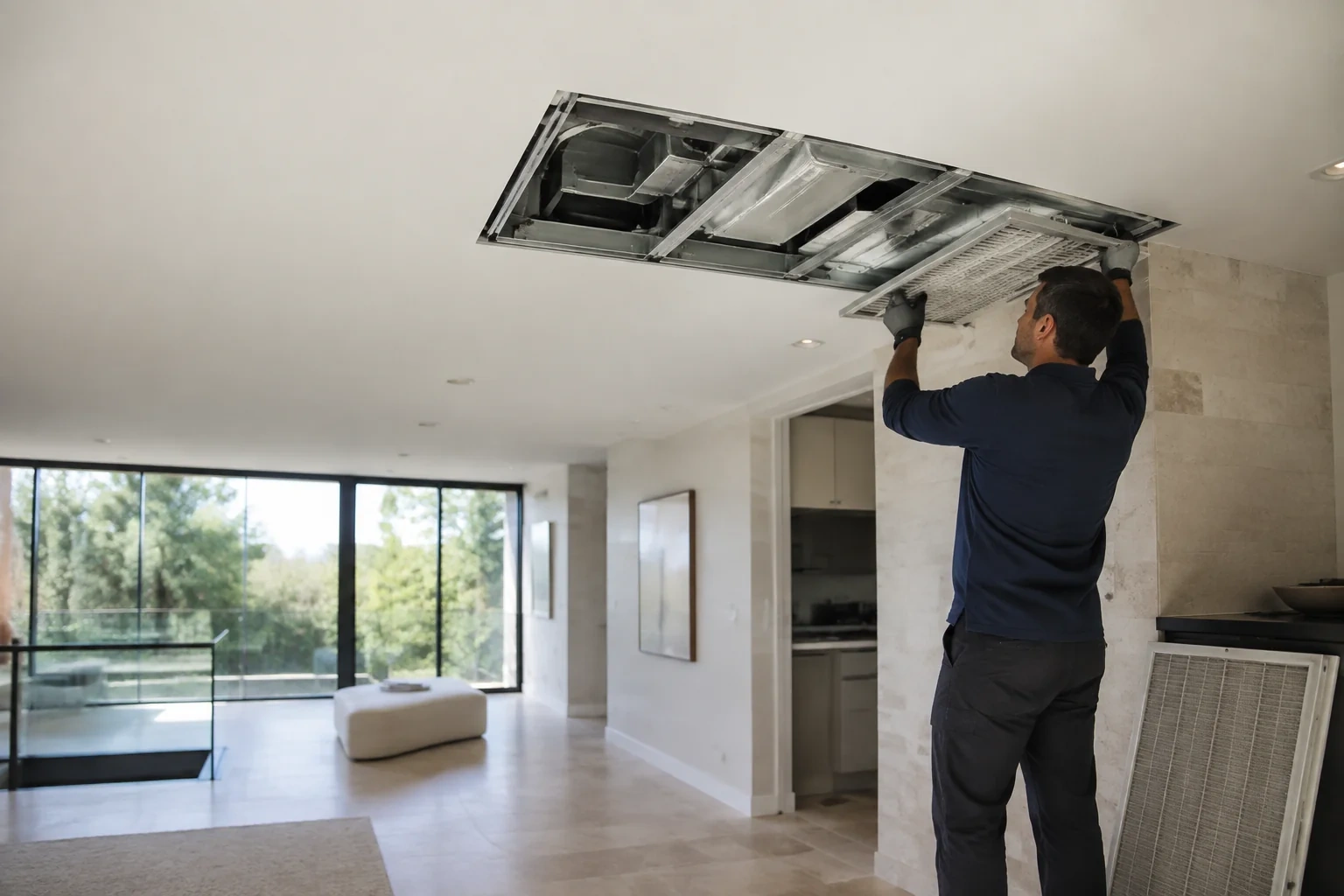
Air Duct Care
Understand the condition
Document accessible components before deciding on cleaning.
Explore the service ↗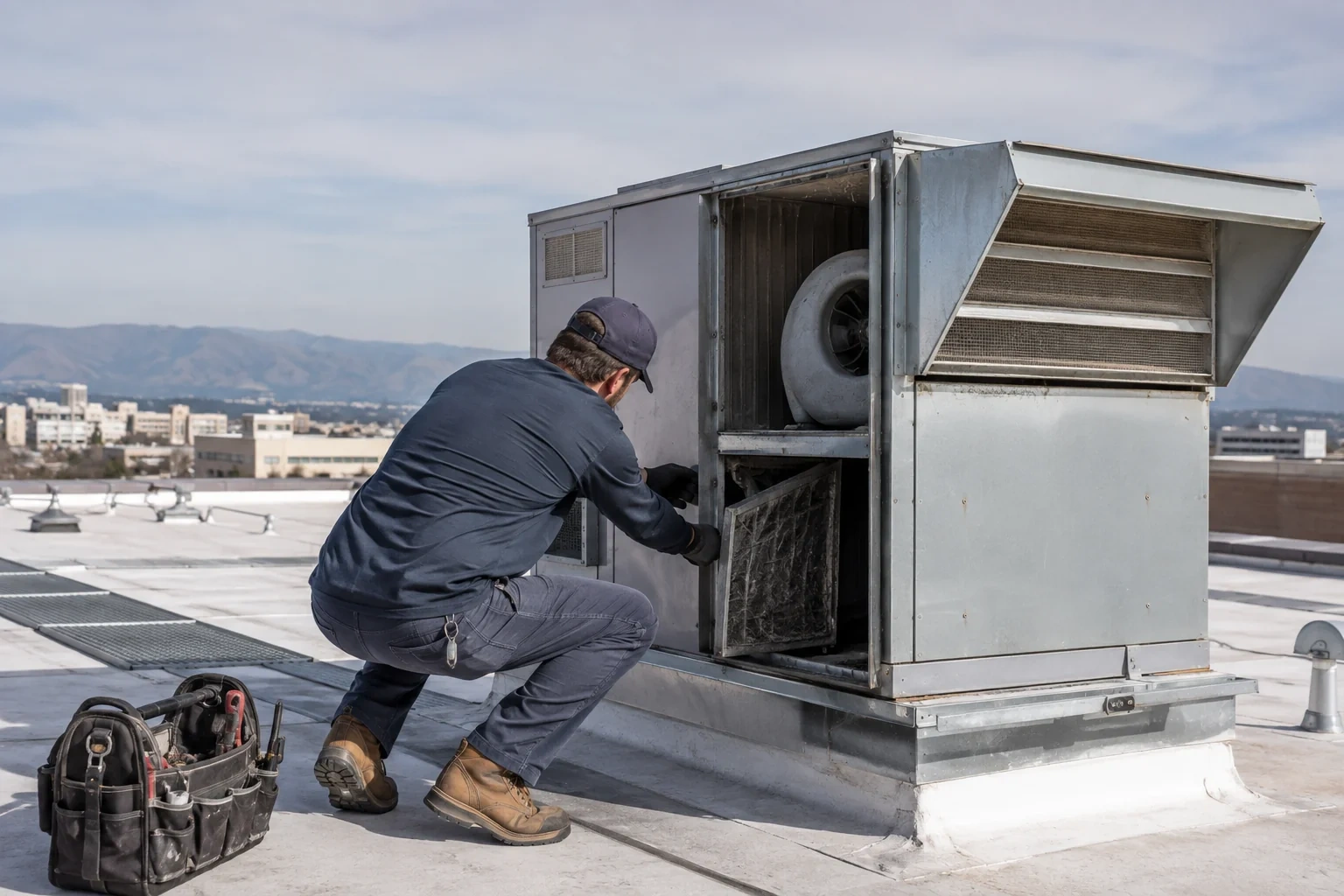
Visitacion ValleyAir Duct Care
Supply ducts, returns and accessible equipment need clear scope boundaries. Use the service guides to ask where inspection and cleaning begin and end.
(628) 348-6814Air Duct Care
Document accessible components before deciding on cleaning.
Explore the service ↗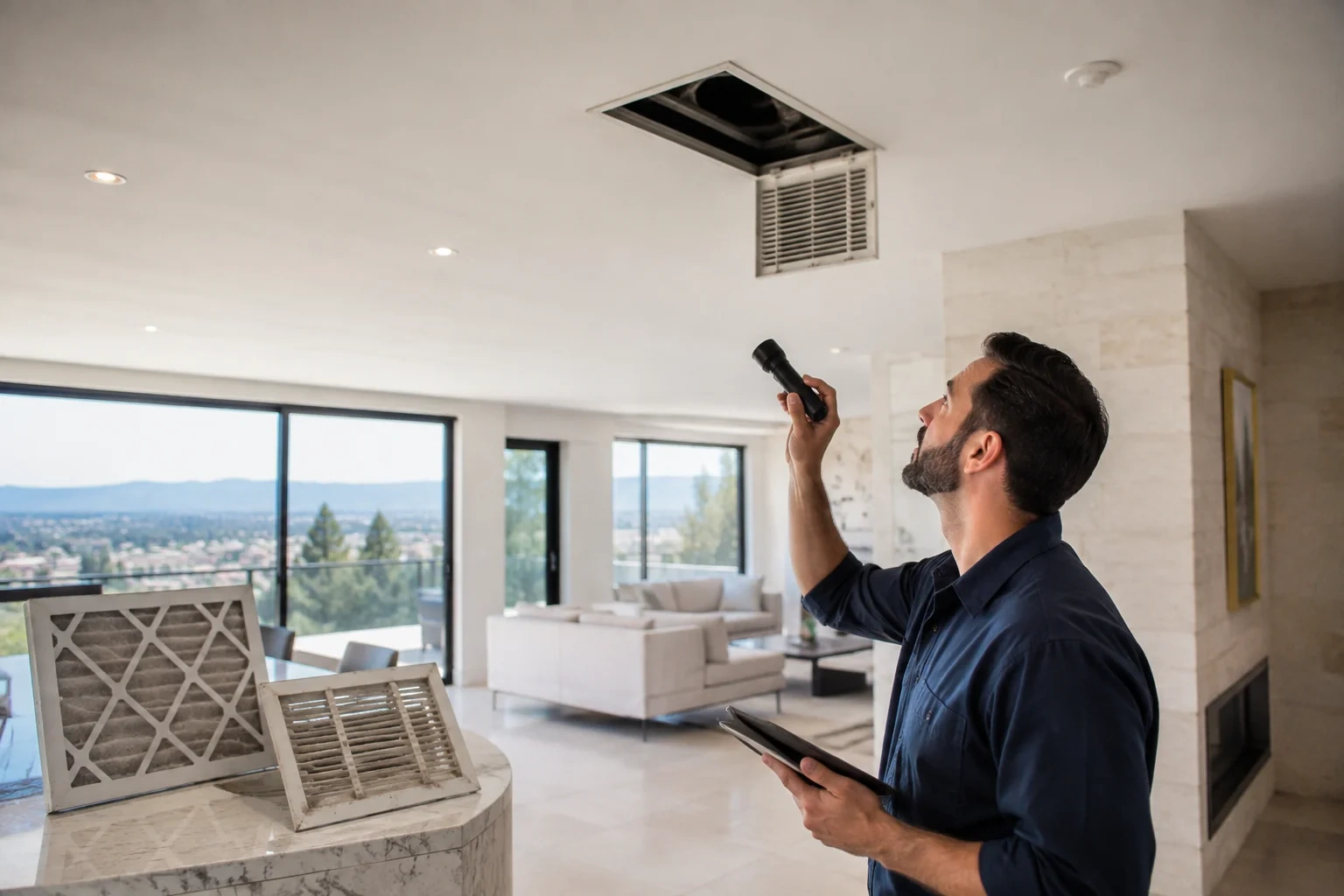
Air Duct Care
Explain where the work happened and what is now visible.
Explore the service ↗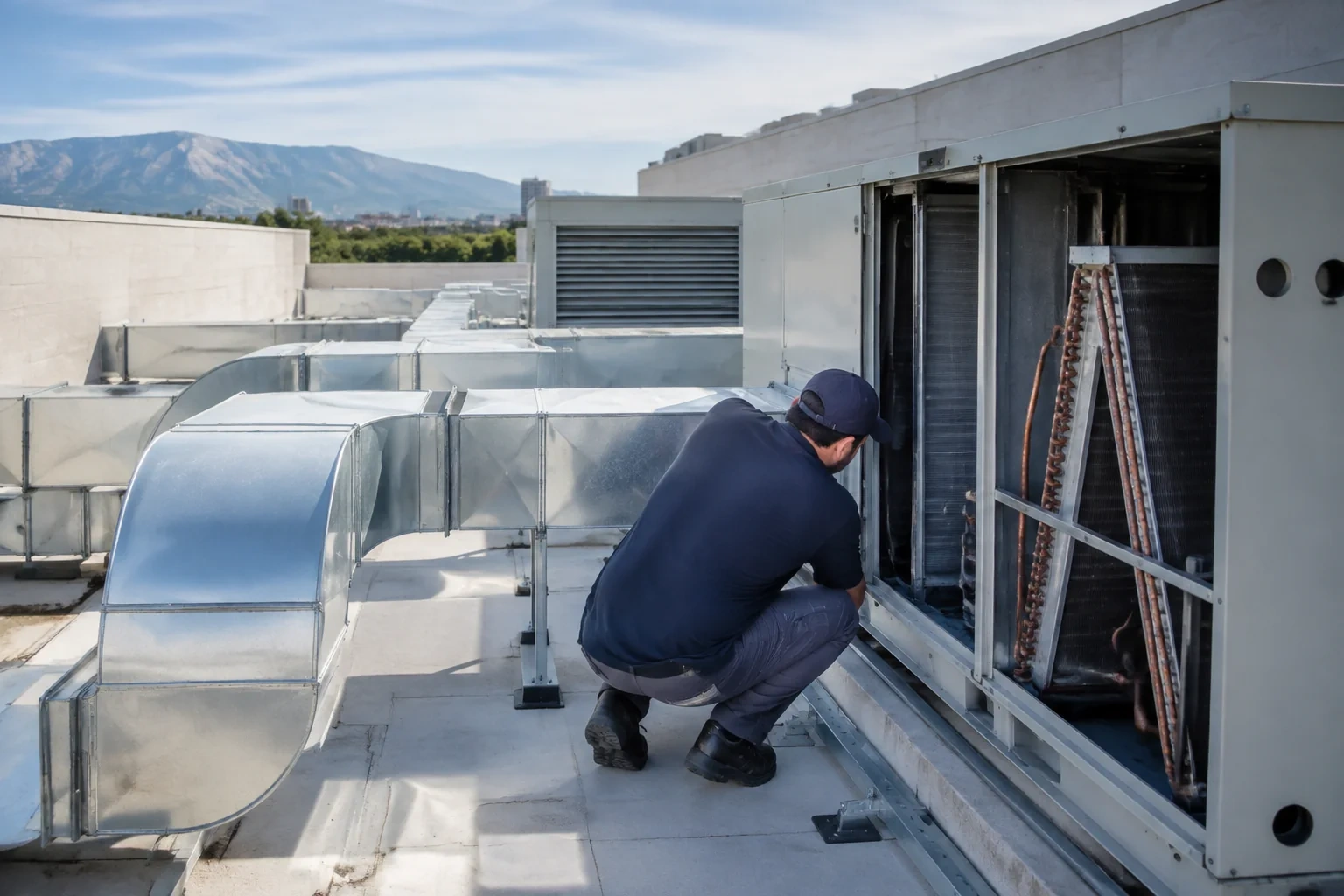
Air Duct Care
Check which system components and completion checks are included.
Explore the service ↗A closer look
Before the visit
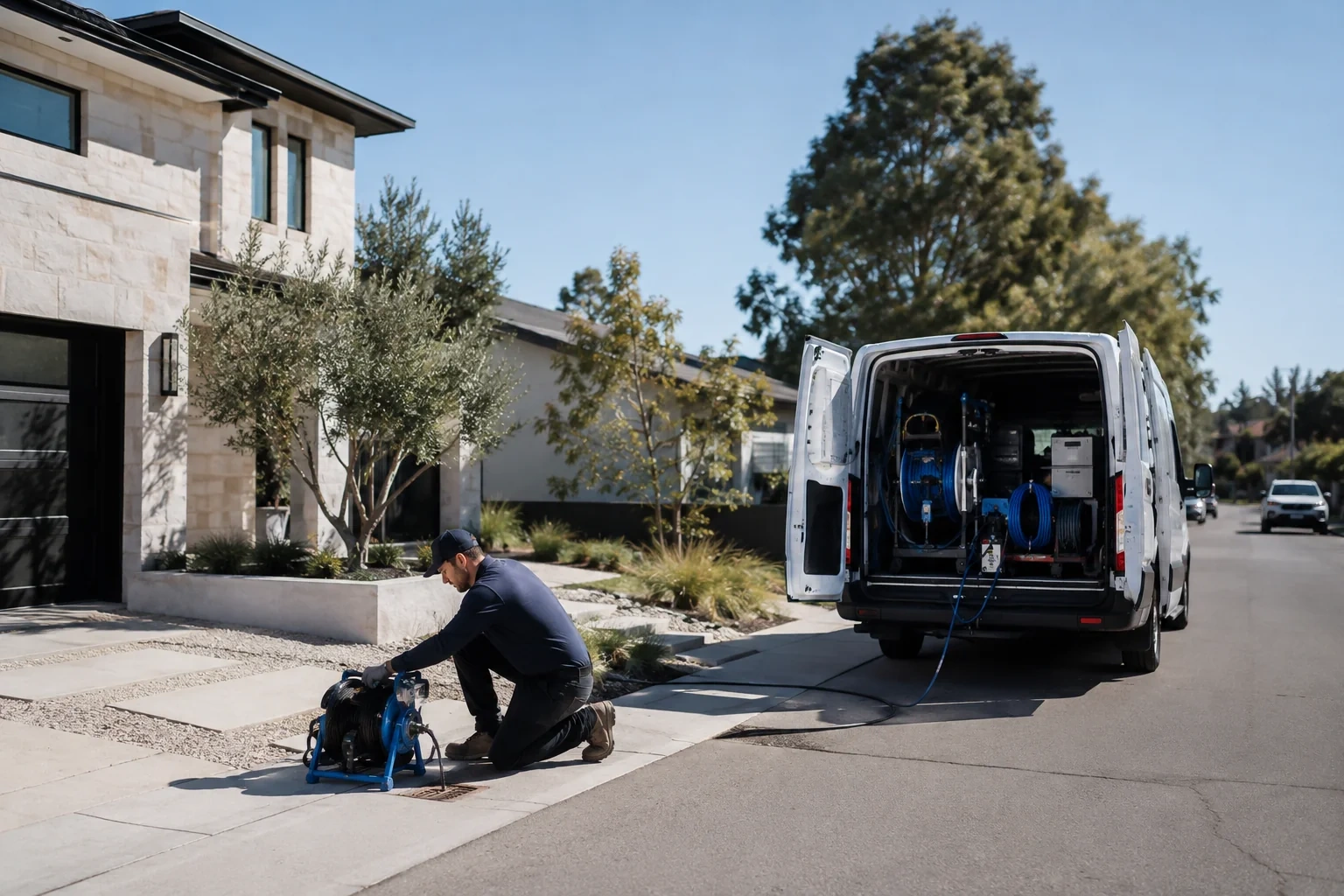
Visitacion Valley
Explore the services for your property and confirm your address when you call.
Planning identifies this area among neighborhoods containing RH-1 one-family residential zoning, so individual-home hardware is part of the local mix.
Source for housing context ↗Planning recorded 170 completed new housing units in 2025, so newer residential systems are part of the current building mix.
Source for local context ↗Duct cleaning is not usually construction work, but replacing, altering or reconnecting ductwork or air-handling equipment can be. The Contractors State License Board's consumer page on building permits sets out the California Building Standards Code position that work may not be erected, altered, repaired or demolished without a permit first obtained from the building official, and says code requirements vary between cities and counties. Ask which parts of the proposed scope are cleaning and which are alteration, then check with the building department for the address.
Source for planning your work ↗Area-wide context is not a finding about your own property.
Before you decide
A concern should start with an assessment of observed conditions. Visible debris, moisture, pests or another specific issue can justify a closer look, but a cleaning schedule alone does not establish that work is needed. Ask what was found and which parts of the system the proposal addresses.
Ask which supply and return sections, registers and accessible equipment are included, how access is obtained and how loosened debris is collected. Clarify exclusions, access limitations and any separate work on the air handler. A quote for vents alone may describe a different scope from a whole-system proposal.
An odor description helps prepare the visit but does not establish its source. Explain where and when you notice it and whether it changes with system operation. Ask how the assessment will distinguish duct conditions from other possible sources before agreeing to cleaning or treatment.
Request photographs or documented observations of the relevant accessible areas and a clear explanation of the proposed scope. Ask which findings were directly observed and which areas could not be accessed. Generic sample images are not evidence of your own system’s condition.
Identify the air-handler location, note the number of systems if known and explain any access restrictions. Keep access to registers and equipment clear. Gather previous work records and describe the particular concern so the visit can focus on useful observations.
Tell us about your system and we will call you back.